Printable Number Tracing Worksheets for Kids: Build Number Writing Skills One Digit at a Time
Laura Bennett
Published on 5/4/2026
Why number tracing worksheets work
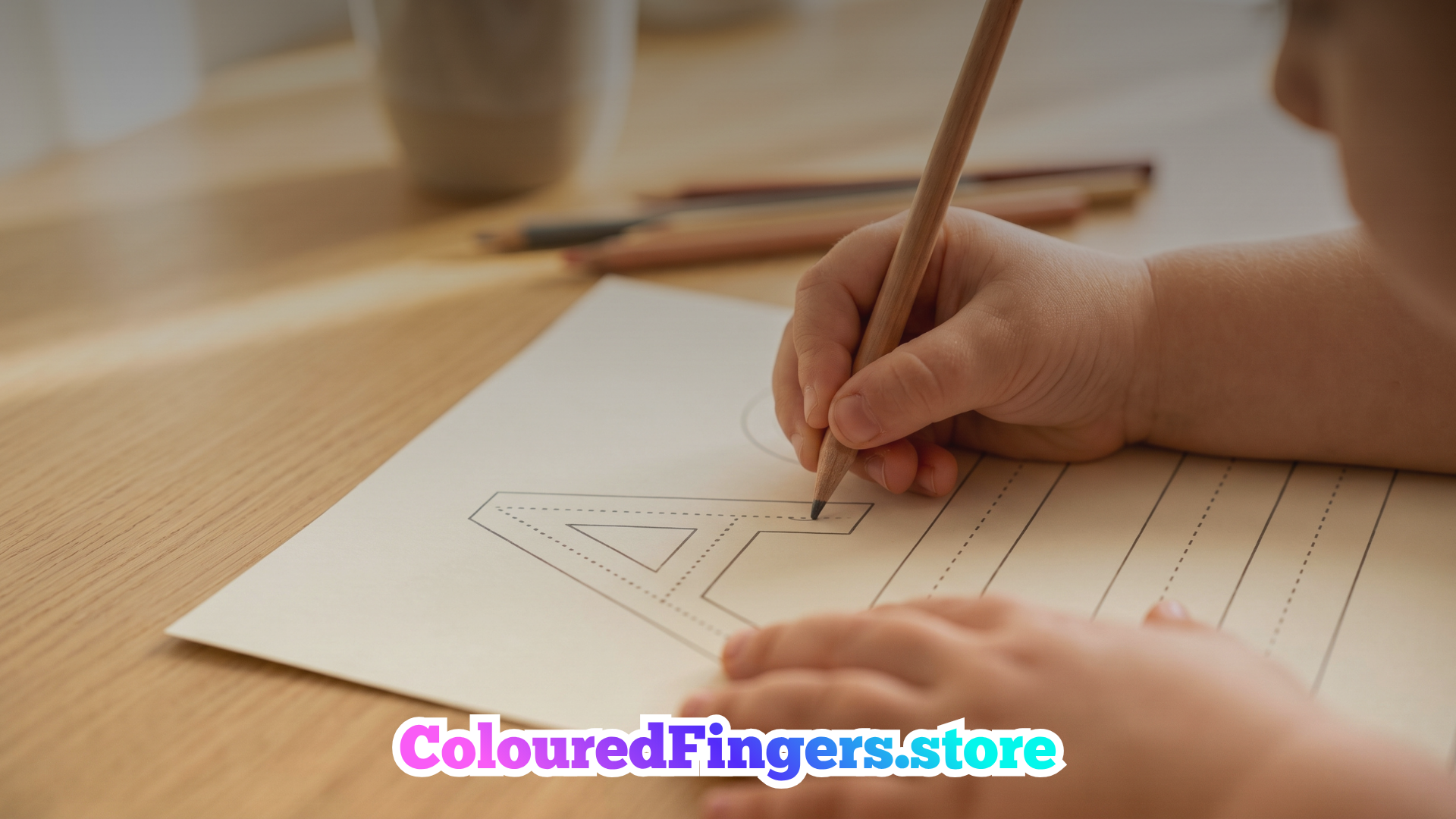
Tracing is one of the most research-backed methods for early number writing instruction. When children follow dotted pathways and dashed guidelines, their hands learn the motor patterns that underpin fluent number writing long before they can replicate digits from memory. Repetition builds the muscle memory that later makes writing numbers automatic freeing up mental energy for what actually matters: understanding the math itself. Each PDF in this collection includes three horizontal guidelines (baseline, midline, and topline), a full-size example number in light blue for reference, and seven tracing boxes per row so children get enough repetitions without losing focus. Both the numeral and its corresponding number word appear on the same sheet because children benefit from connecting the symbol to its name from day one. Quick win: Print the number of the week and stick it on the fridge. Do one row of tracing each morning before school five minutes is enough to build the habit without the tears.
Pencil grip tips: the tripod grip explained
The way a child holds their pencil affects not just the legibility of their numbers, but also how quickly their hand tires. The tripod grip used by most skilled writers keeps the hand relaxed and precise. Here is how to teach it step by step: Step 1: Pinch at the sweet spot Have your child pinch the pencil about 1 inch (2.5 cm) from the tip, using the tips of the thumb and index finger. Step 2: Rest on the middle finger The pencil rests lightly on the side of the middle finger this is the "tripod." The ring and little fingers curl gently underneath. Step 3: Relax the wrist The outer edge of the hand glides on the paper. The wrist stays relaxed, never rigid. Tension is the enemy of neat number writing.
Common grip mistakes to watch for
The "fist grip" where the pencil is buried in a clenched hand is the most common problem in ages 3–5. It causes fatigue quickly and produces shaky lines. If you see white knuckles, gently remind your child to "hold it like a butterfly: firm enough that it won't fly away, gentle enough that you don't hurt it." Another common issue is gripping too far up the shaft, which reduces control. A small rubber grip aid placed at the correct position can help children learn the right spot automatically. Occupational therapist tip: Before tracing, do five minutes of "pre-writing" warm-up: have your child squeeze a stress ball or pinch small pegs to strengthen the fine motor muscles in the thumb and index finger. This makes the grip feel more natural and reduces hand fatigue during longer tracing sessions.
Left-handed writers
Left-handed children use the same tripod grip, but the pencil tilts toward the right shoulder rather than the left. Encourage them to position their paper tilted slightly clockwise (opposite of right-handers) so they can see what they are writing rather than smearing it. Never try to switch a naturally left-handed child research consistently shows it causes unnecessary stress without any benefit.
Frequently asked questions
What age should kids start tracing numbers? Most children begin number tracing between 3 and 4 years old. However, readiness matters more than age. Look for signs like a three-finger crayon grip, the ability to draw a horizontal line on request, and interest in writing tools. Starting too early before fine motor control is ready can reinforce incorrect number formation habits that are hard to undo. Which numbers should I teach first? Most early learning programs start with 0 through 5 before moving to 6 through 9, as the first set involves simpler strokes. Numbers like 1 and 0 are the easiest starting points, while 2, 3, 5, and 8 require more complex curves and directional changes. These worksheets are designed to be introduced in order, building stroke confidence gradually. How many numbers should a child practice per day? For children aged 3–5, one number per session is ideal. Sessions should be short 5 to 10 minutes because fine motor fatigue sets in quickly and can make the experience negative. For ages 5–7, two to three numbers per session is manageable. Quality of stroke matters far more than quantity: one carefully traced row is worth more than four rows of hurried scribble. Are these worksheets suitable for children with dysgraphia? These worksheets can support children with dysgraphia as a supplement, but they are not a specialist intervention. Children with dysgraphia benefit most from multi-sensory methods tracing numbers in sand, forming them from clay, or using finger-tracing on textured surfaces before moving to pencil on paper. If you suspect dysgraphia, consult an occupational therapist who can design a targeted program. These PDFs work well alongside that support. Can I use these worksheets for kindergarten or preschool classrooms? Yes these worksheets are available to print and use in classrooms, home schools, tutoring sessions, or therapy settings. Print as many copies as you need for as many children as you need. A "number of the week" approach works well in classroom settings: introduce one worksheet per week alongside related counting activities, songs, and crafts that feature the same number.
Conclusion
Print each PDF on standard 8.5 × 11 inch paper. Regular printer paper works well for everyday practice; cardstock is better for laminating so the sheet can be used repeatedly with a dry-erase marker. Show your child the blue example number first and talk through the stroke order aloud: "We start at the top, curve around to the left, then sweep down and around to the right." Verbalizing the stroke sequence is a proven way to encode motor patterns faster. After completing a worksheet, ask your child to circle the number they are most proud of. This small act of self-assessment builds metacognitive awareness and keeps the activity positive rather than performative.