Back to Journal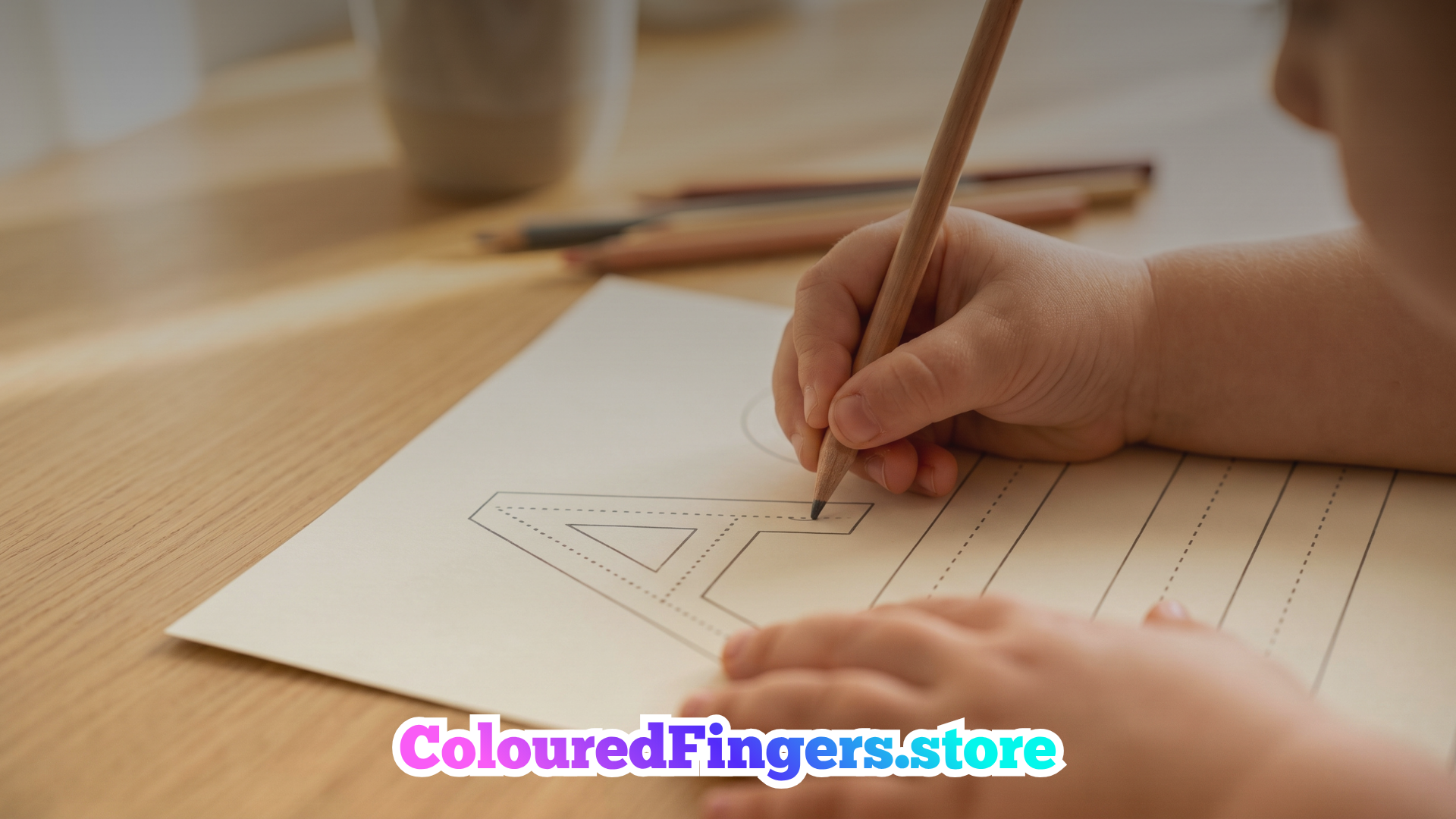
Tips 5 min read
Printable Superhero Tracing and Coloring Worksheets for Kids: Build Motor Skills Through Dynamic Play
M
Megan Carter
Published on 5/10/2026
Why superhero tracing worksheets work
Connecting early handwriting mechanics to high-interest narratives is one of the most effective ways to overcome pre-writing resistance. Children who avoid standard geometric tracing or repetitive lettering readily engage when the exercises are framed around their favorite dynamic heroes. Combining dot tracing, reading, writing, and drawing into a single workflow targets visual-motor integration across multiple neural pathways.
Following dotted guidelines to reveal a hero's outline or write character-driven words provides the necessary high-repetition mechanical practice without feeling like an academic chore. The integration of coloring pages extends this engagement, specifically building the intrinsic hand strength, sustained pencil pressure control, and fine motor endurance required for fluent, long-form writing later in their development.
Quick win: Laminate a dot-tracing hero sheet and place it at the breakfast table with a dry-erase marker. Let your child complete one "hero mission" (tracing one character outline or word set) each morning. It builds daily stroke automaticity while leveraging natural dopamine pathways to sustain focus.
Pencil grip tips: the tripod grip for dynamic drawing
High-energy themes require an efficient, relaxed grasp to prevent early hand fatigue. The standard tripod grip allows children to make precise directional changes whether tracing intricate dot paths or shading wide spaces. Here is how to establish it step by step:
Step 1: Pinch at the sweet spot
Have your child pinch the writing tool roughly 1 inch (2.5 cm) above the tip using the pads of the thumb and index finger.
Step 2: Rest on the middle finger
Drop the pencil back so the shaft rests lightly against the side of the middle finger, completing the three-point tripod. The ring and pinky fingers curl loosely into the palm to act as stabilizers.
Step 3: Relax the wrist
Ensure the outer edge of the hand glides smoothly across the page. High-interest drawings often cause children to tense their forearms; remind them that a relaxed wrist provides the smoothest control.
Common tracing and coloring mistakes to watch for
The most frequent issue with character-driven worksheets is rushing. Excitement to "finish the hero" causes children to speed erratically through dotted guidelines, resulting in jagged lines and missed stroke connections. If pencil paths become erratic, prompt the child to "trace in slow motion like a stealthy hero."
Another common mistake during the coloring phase is applying excessive downward pressure to make colors appear bold. Heavy pressure snaps crayons, tears paper, and causes rapid muscle fatigue.
Occupational therapist tip: Before starting a session, engage the hands in heavy-work proprioceptive warm-ups to regulate sensory input. Have your child do five wall push-ups, pull on a resistance band, or firmly squeeze a ball of dough. Activating the joints and muscles beforehand naturally normalizes pencil pressure during drawing tasks.
Left-handed writers
Left-handed children face distinct challenges with highly illustrated worksheets. Because they push the pen across the paper rather than pulling it, navigating complex dot-tracing shapes can obscure their line of sight and cause heavy graphite or ink smudging across the artwork. Encourage left-handed writers to angle their paper slightly clockwise and maintain a position where their hand stays below the writing line. This preserves full visual feedback of the dotted pathways and keeps their finished masterpiece clean.
Frequently asked questions
What age should kids start superhero dot tracing?
Most children engage effectively with thematic dot tracing between ages 3 and 5. Readiness depends heavily on visual tracking skills and basic tool grasp. Simple dot-to-dot shapes and wide coloring areas are perfect for early learners, while integrated reading and writing blocks suit 5-to-6-year-olds solidifying their letter formation.
Which sheets should I introduce first?
Begin with straightforward dot-tracing outlines that feature continuous, predictable strokes. Once a child demonstrates controlled pacing on simple outlines, transition to the detailed read-write-draw pages where fine motor precision must be paired with letter recognition. Highly detailed coloring sheets can be introduced as an independent reward activity.
How much practice per day is recommended?
Keep sessions short and intentional: 5 to 10 minutes, or exactly one character sheet per sitting. Because character sheets command high focus, mental and physical fatigue can set in quickly. One precisely traced outline builds better muscle memory than three pages of hurried scribbling.
Are these worksheets suitable for children who resist writing?
Yes. Thematic integration is a highly effective strategy for children with dysgraphia, ADHD, or general avoidance behaviors. Framing handwriting mechanics as a drawing or story-based activity bypasses the anxiety often associated with blank writing lines.
Can I use these worksheets for kindergarten or preschool classrooms?
Yes, high-resolution printable bundles are designed for easy reproduction across classrooms, tutoring centers, and home environments. Setting up a "Hero Headquarters" center where students can independently select a character to trace and read works exceptionally well for self-directed learning blocks.
Conclusion
Print each PDF on standard 8.5 × 11 inch paper. Everyday practice works perfectly on standard printer paper, while heavier cardstock is highly recommended if you plan to use markers or wet media to color the heroes afterward. Demonstrate the strokes first while verbalizing the action: "Start at the top dot, follow the path slowly around the cape, and stop at the baseline." Hearing the mechanical instruction reinforces the physical execution.
Once the page is complete, ask your child to circle the specific stroke, letter, or colored section they feel is their absolute best work. Encouraging active self-assessment fosters internal motivation and keeps the focus entirely on personal skill development.